How NFL Betting Markets Evolve During the Playoffs
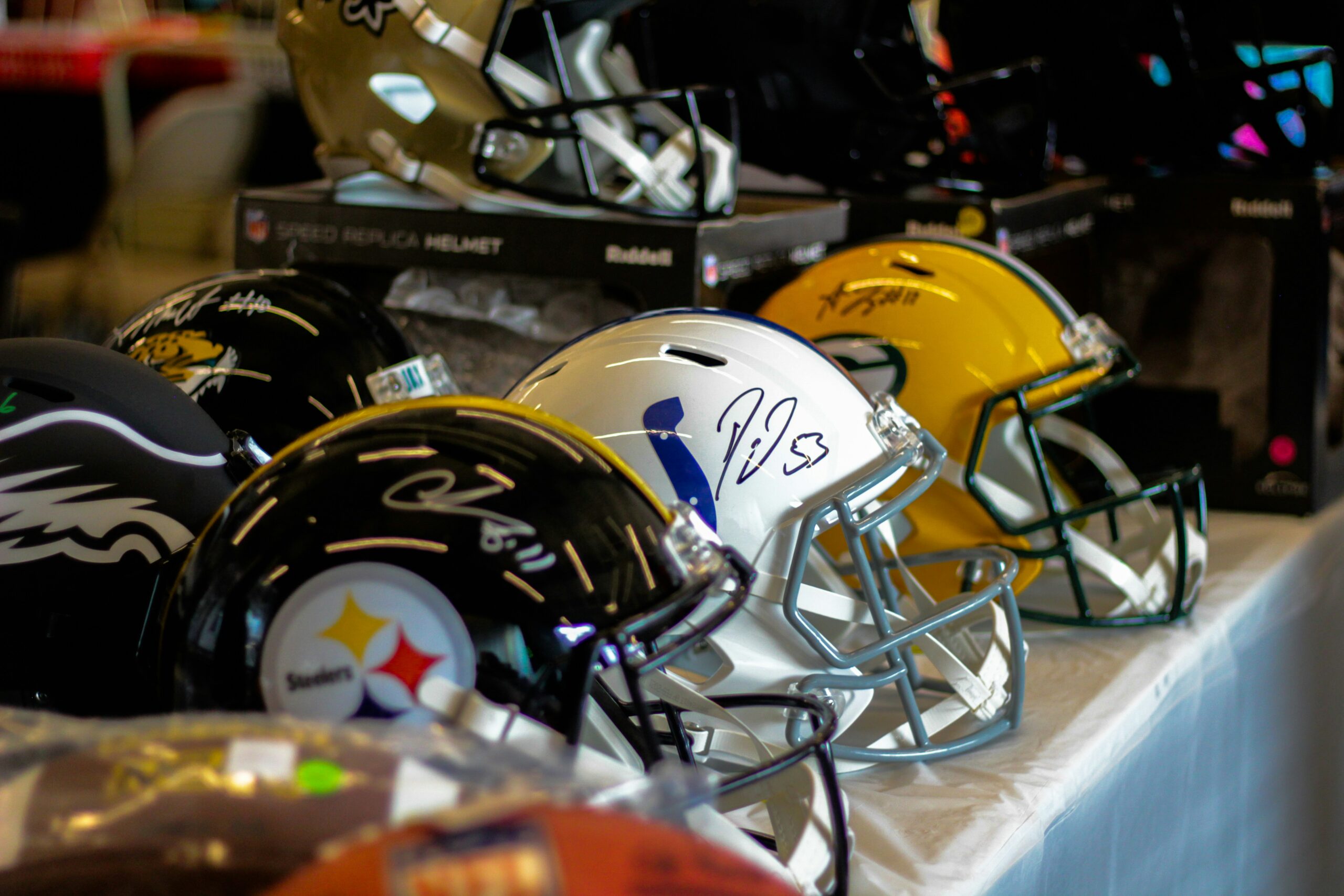
Photo by Jonathan Olsen-Koziol on Unsplash
When the NFL playoffs begin, the betting landscape changes as much as the games themselves. In January, odds respond to higher stakes, national attention, and a surge of public interest, causing lines to move faster and with greater intensity than during the regular season.
Point spreads that feel familiar in October behave differently once elimination is on the line. Understanding who is betting, when markets shift, and why pricing changes helps explain why playoff odds develop a distinct personality of their own.
Why Playoff Games Are Priced Differently
Once the playoffs begin, sportsbooks move away from long-term projections and focus on the immediate consequences of every result. Every game is win-or-go-home, and that reality narrows the margins. Opening spreads tend to be tighter, reflecting both the quality of the remaining teams and the confidence built from a full season of data.
With fewer teams and more national attention, oddsmakers also anticipate heavier scrutiny on every number they post. That added visibility encourages more conservative pricing, where even small adjustments are carefully measured.
Late-season pricing benefits from clarity. Coaches reveal their true tendencies, player roles stabilize, and performance trends carry more meaning than early-season flashes. Motivation also becomes a constant rather than a variable. There are no trap games or letdowns in January, and markets account for that by pricing games with fewer assumptions and more precision.
The Factors That Matter More in the Postseason
As the calendar flips to playoff football, certain elements start to matter more than they did in September or October. Markets respond by adjusting lines quickly and sometimes dramatically.
Key influences include:
● Quarterback performance in high-pressure moments,
● Defensive consistency, especially in the red zone,
● Home-field advantage and the impact of rest,
● Injuries to core players, magnified by limited depth,
● Weather conditions in late-season outdoor games,
These factors often drive real-time movement across playoff matchups. Many bettors follow how spreads and totals react to this information through established listings like FanDuel NFL betting, where postseason odds reflect the shifting landscape as news and conditions change throughout the week.
How Bettor Behavior Shifts as the Spotlight Grows
The playoffs bring a different crowd. Casual fans who followed from a distance during the regular season step into the market, drawn by prime-time games and familiar storylines. That surge in attention changes how betting activity looks and feels almost immediately.
Total betting volume rises sharply, even as average wager sizes decline. Simpler bets dominate, particularly point spreads and moneylines, as newer participants gravitate toward easy-to-understand options. Personal attachment also plays a larger role, with star quarterbacks and popular franchises drawing outsized interest.
High-profile teams rarely lack support in January. Media coverage, highlight reels, and past success help shape perception, sometimes pushing lines in predictable directions. This becomes more noticeable as game day approaches and national attention intensifies.
Early in the week, seasoned bettors often influence opening numbers through analysis. As kickoff nears, increased public participation reshapes those lines again, creating a playoff market driven by both expertise and emotion.
How the Market Tightens as the Playoff Field Shrinks
Each round of the playoffs introduces a new stage of market evolution. As the number of games decreases, attention concentrates and pricing becomes more refined.
Wild Card Weekend Brings Early Movement
With the most games on the slate, Wild Card Weekend often produces the widest spreads and the most early-week adjustment. Matchups between top seeds and lower qualifiers invite debate, and lines react quickly to initial reactions. This is also when public money has the greatest influence, amplifying movement as opinions flood the market.
The Divisional Round Marks Peak Efficiency
The field narrows to elite teams, and the talent gap shrinks. Markets rely heavily on advanced performance indicators, and early numbers become especially meaningful. By this point, surprises are rare, but small details carry significant weight as pricing tightens. Rest advantages, matchup-specific tendencies, and coaching adjustments are reflected more cleanly, leaving less room for overreaction.
Conference Championships Focus Attention
Only two games remain, and every bettor is watching the same matchups. Quarterback narratives dominate discussion, while player-specific markets gain traction. Futures odds shift dramatically as one Super Bowl path closes and another opens, concentrating value into a much smaller set of outcomes. With limited alternatives, even modest news can move lines, making timing and context especially important at this stage.
The Super Bowl Operates on Its Own Scale
No sporting event in the U.S. attracts broader participation. Average wager sizes dip as one-time bettors join in, while sportsbooks manage an unprecedented volume of activity. Pricing becomes as much about balancing interest as reflecting on-field expectations.
As the playoff field shrinks, betting markets become sharper, more focused, and increasingly shaped by concentrated attention rather than sheer volume.
The Expanding Role of Futures, Props, and Live Markets
Playoff betting extends far beyond final scores. Futures markets evolve after every elimination, reshaping expectations with each passing round. Player props grow in popularity as attention narrows to star performers, and live betting thrives on momentum swings that feel magnified in postseason games.
This expansion reflects how fans engage with playoff football on a deeper, more granular level. As the stakes rise, interest shifts from single outcomes to how games unfold moment by moment.
Keeping track of these layers requires constant awareness. Many fans follow analysis tied to upcoming NFL games and props to stay aligned with how playoff matchups, player availability, and in-game developments influence the broader market picture.
What the Playoff Betting Market Ultimately Reveals
The postseason creates a fascinating tension. Markets become sharper as information improves, yet mentality plays a larger role as stakes rise. Lines reflect not only performance metrics but also pressure, narrative, and national focus.
That balance between logic and emotion is what defines the playoff environment. Every adjustment tells a story about how teams are perceived when everything is on the line.
This blend is what makes playoff markets unique. They are efficient without being sterile, reactive without being chaotic. Each round adds context, trimming away uncertainty while amplifying attention on what remains.
Understanding the Playoffs Beyond the Final Score
The NFL playoffs aren’t just about crowning a champion. They reshape how games are evaluated, discussed, and priced, with betting markets evolving in response to pressure, popularity, and precision as the stakes rise.
Recognizing those shifts adds another layer to the postseason experience. The playoffs become more than a series of games, reflecting how the sport and its audience respond when everything is on the line across stadiums, broadcasts, and the conversations that follow each result.